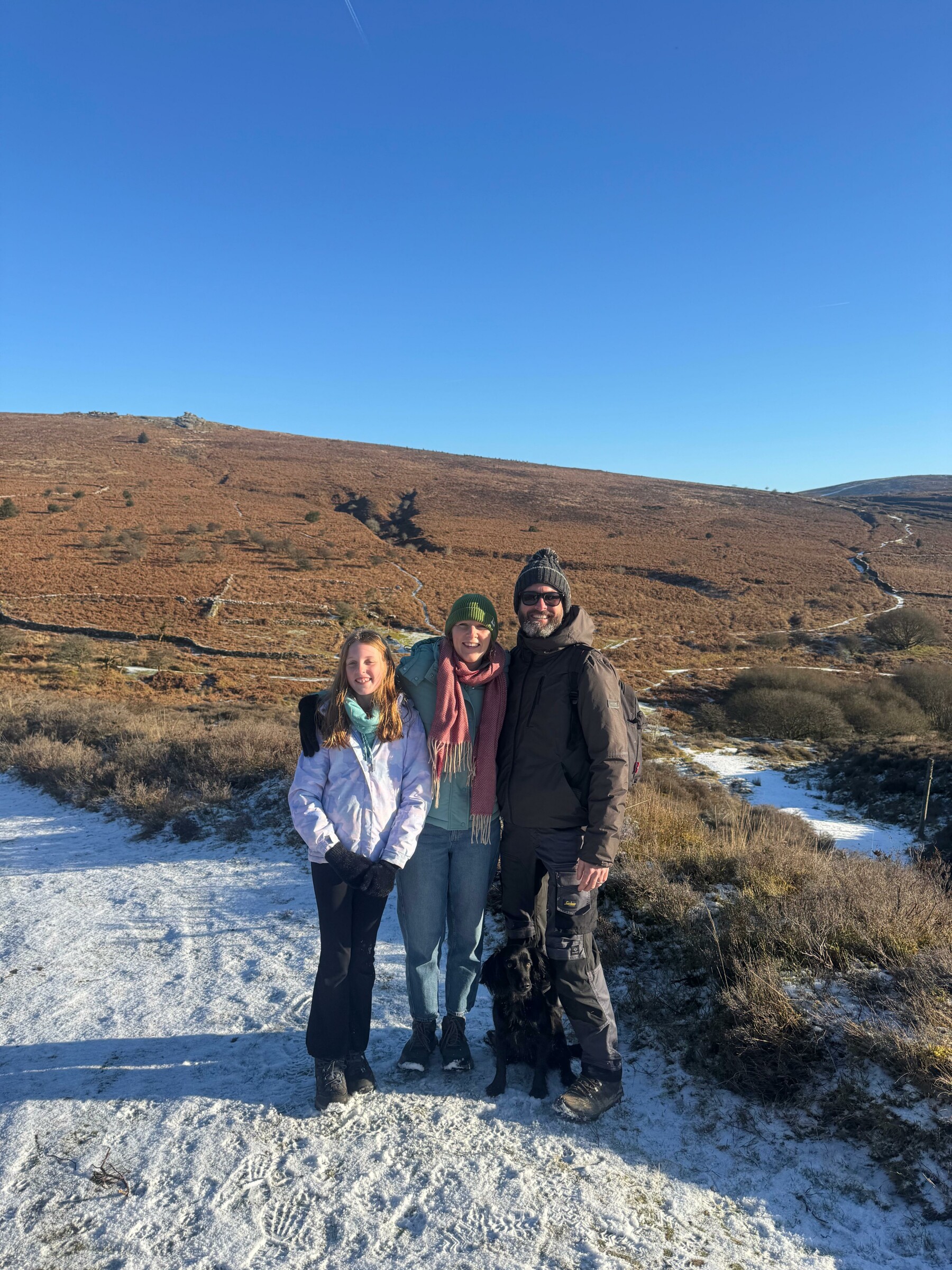
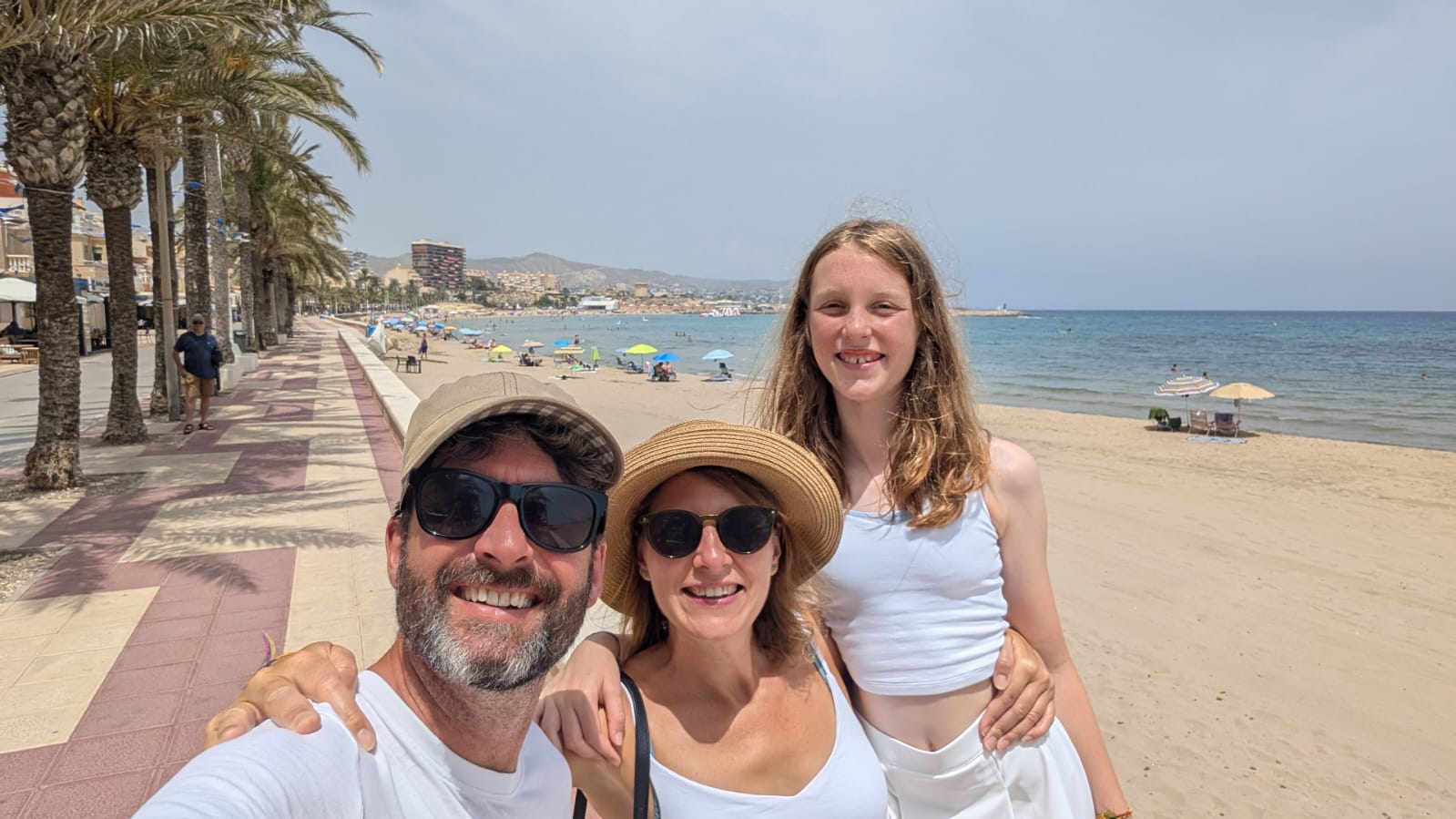
My name’s Charli. I’m forty-one and live in Exeter, Devon with my husband, Simon,
and our twelve-year-old daughter, Georgia. We share our flat with Riley, an
extremely energetic cocker spaniel, and Kiki, an equally unenergetic (but very fluffy)
cat.
I’d never really given much thought to cancer and hate to admit I never checked my breasts. It was only when a friend of my husband’s was diagnosed with breast cancer in 2016 that I examined myself. I felt a small lump underneath my breast, right against my rib. I panicked. That panic led to Google searches which told me to get it checked but reassured me that most breast lumps were benign.
The GP and the consultant at the hospital agreed with Dr. Google, both expecting the lump to be a cyst. I wasn’t that worried; it was only when a letter arrived asking me to return to the hospital for my results that a seed of doubt took root. I was certain the consultant had asked if I was happy to receive the results over the phone.
The consultant sealed my fears: the lump was cancer.
The next few weeks were filled with scans and tests. To my relief, I had caught the cancer early. Two surgeries, three weeks of radiotherapy, and I was done…
Seven years after my initial diagnosis, I started getting an ache in my forearm. I tried living with it for months, but eventually I visited the doctor, worried it might be connected to my primary cancer. I was given some exercises, which of course didn’t help. The pain spread to my neck and back and I returned to the doctors, expressing my concern it could be cancer, especially as I had a tender area above my collarbone, where I knew lymph nodes were located. He told me he noticed nothing concerning and referred me for a nerve conduction test.
Time went on and the pain became unbearable. I left a message for the GP advising it was affecting my day-to-day life and that I could no longer go to the gym. Still, no alarm bells rang for him. More than a year after my first appointment, I was finally referred to the hospital. By then, I wasn’t particularly worried; I’d been reassured by the doctor that my last MRI had been clear. I asked whether the scan included the area above my collarbone, where I had multiple lumps, and he assured me it did.
Sitting in the hospital waiting room with my husband, I knew I should have listened to my instincts rather than putting my faith in the GP. Something wasn’t right. The consultant confirmed my fears: it looked like the cancer had come back, but I’d have to wait two weeks for the biopsy results.
Initially I was petrified, but it’s impossible to constantly live on high alert. By the end of the two weeks, I’d managed to convince myself the results, which were due on my husband’s 40th birthday, would be the best birthday present ever.
They weren’t.
We were told the cancer had come back and that care would be palliative. I write nearly every day, but I can’t describe to you the horror I felt when I heard those words. Palliative. I was thirty-eight years old.
I hate living with “what ifs,” but they’re impossible to drown out. What if I’d known the
symptoms of secondary breast cancer? What if my doctor had? What if I’d known the risk of my cancer coming back? Would I have pushed for chemotherapy? Taken Tamoxofin because, as it turned out, my low Onco-Type DX score didn’t keep me safe. What if I’d known secondary cancer was incurable? Would I have been more prepared?
Further appointments followed, and I was told I had metastatic breast cancer. Despite having primary cancer, I had never heard the word metastatic. It was Google that told me this meant Stage IV. I felt as though the oncologist didn’t want to confront my fear at the hospital, leave me to face it at home, alone. I received pamphlets in the mail telling me what life would be like with liver and bone cancer. I received the full scan results in which I discovered the cancer had spread to my spine. I knew it was in my bones, but spinal involvement could be life changing. I don’t think I will ever recover from the trauma of seeing NHS envelopes on my doormat.
My memories of the following weeks are dark and confused. I had just been told I was going to die. I’d lived with the symptoms for over a year, and now I was going to leave my daughter without a mum, my husband without a wife. I felt as though I’d already left, life carried on around me, but I wasn’t a part of it.
I’m surrounded by incredible family and friends, who kept showing up, kept reminding me I was still here. It was only at my next oncology appointment, when I was told my prognosis would be years rather than weeks or months, that my heart started beating again. It’s not enough time; it will never be enough. I have a daughter and husband who need me, my parents and siblings I want more years with, and a best friend to grow old alongside so we can laugh at old photographs. I even worry about my pets wondering why I left them.
Years is not enough time, but it is time, and I know in the secondary breast cancer world, I’m lucky to have that.
Time means hope. Hope for new treatments, hope for a cure, hope I can be a miracle. I don’t know where the line is between hope and denial, but I do know that without hope, I wouldn’t be able to get through each day. I wouldn’t be able to do ordinary things, like vacuuming the flat, without wondering what the point of it all is.
Without a miracle, I’ll never get to eighty, but my treatment has kindly ensured I know what old age feels like. I’m constantly aching, constantly tired, constantly nauseated. I was unable to return to my admin job, which has had a huge financial impact on us. One thing I have been able to achieve, during the hours I’m able to function, is to write a book to help middle-grade children navigate grief.
I have a degree in creative writing and continued to write throughout my adult life but
feel like this book, One Wish, is the story I was meant to tell. It’s the story that can make a difference.
I’m grateful to Liz at the child bereavement charity, Balloons, who read through my manuscript and reassured me the message in One Wish could genuinely help bereaved children.
The publishing world is incredibly competitive, and time is not on my side, but I am giving traditional publishing a shot. If I don’t succeed by October, I’ll self-publish. It’s important to me to get One Wish out into the world, into the hands of the children who would benefit from it. I am fortunate that my best friend, Ryoko Tamura, is a very talented illustrator and, after decades of talking about creating something together, we’re finally doing it.
Initially One Wish was meant only for my daughter. I wanted to tell her that my love
would stay with her, even after I’m gone, but writing a goodbye letter was too difficult.
I imagined her reading it without me there to comfort her, and it broke my heart.
Instead, I attended a Writing For Children course run by Raw Writing which meant I
had feedback throughout the writing process. The final manuscript is something I’m
proud of, something I believe will help other children, as well as my own.
The other inspiration for One Wish came from the incredible women I’ve met since
having secondary breast cancer. Support groups, such as Make 2nds Count, create friendships where you can be totally open, where you can voice your greatest fears. We support each other through the highs, the lows, and everything in-between. These friendships also bring heartbreak, when you lose some of the best women you’ve ever met.
Some of these friends had very young children, children too young to remember their
wonderful mums. One Wish follows eleven-year-old Ivy as she searches for a memory of her mum, who died when Ivy was a toddler. She discovers her heart always remembered her, because it was filled with her mother’s love.
There are friendship dramas, scary night-time walks across Dartmoor, and gentle lessons reminding young readers of the importance of being open with those around them.
If you’d like to help get One Wish out into the world, please follow me:
Instagram - @Charli_Lee_Writes
Facebook - Charli Lee Writes
I would be incredibly grateful for any support to help spread the word about my book
and get it into the hands of those, like my own daughter, who would benefit from it.

 Donate