11th November 2026 by Laura Stanford
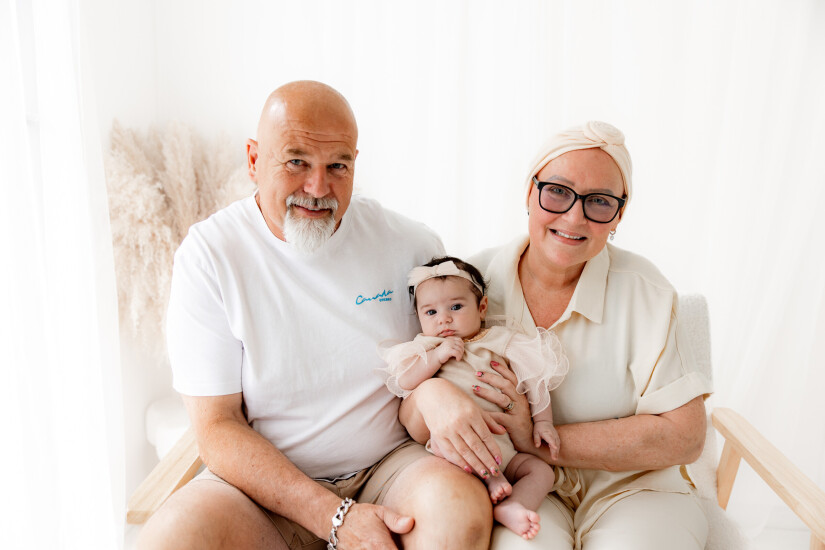
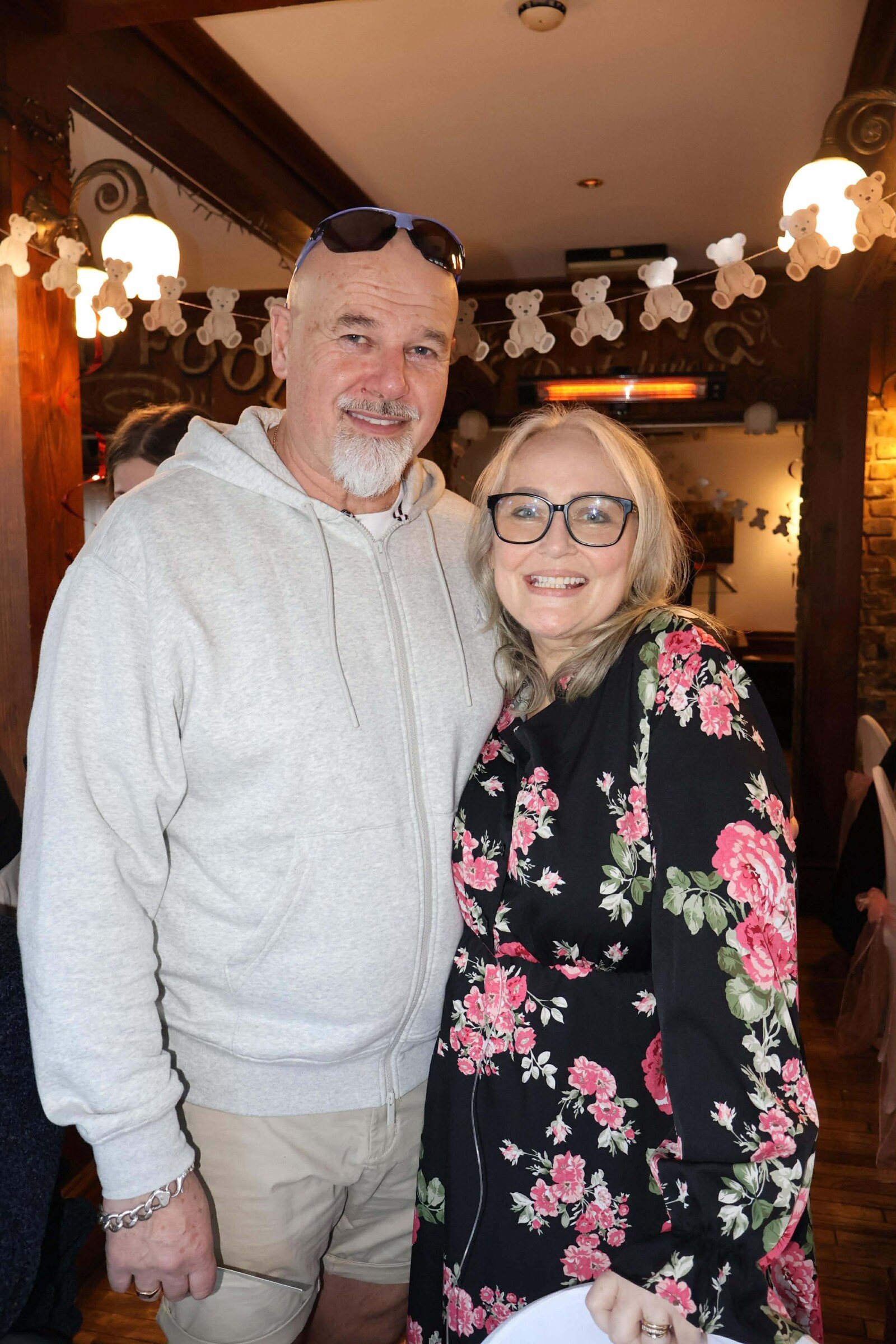
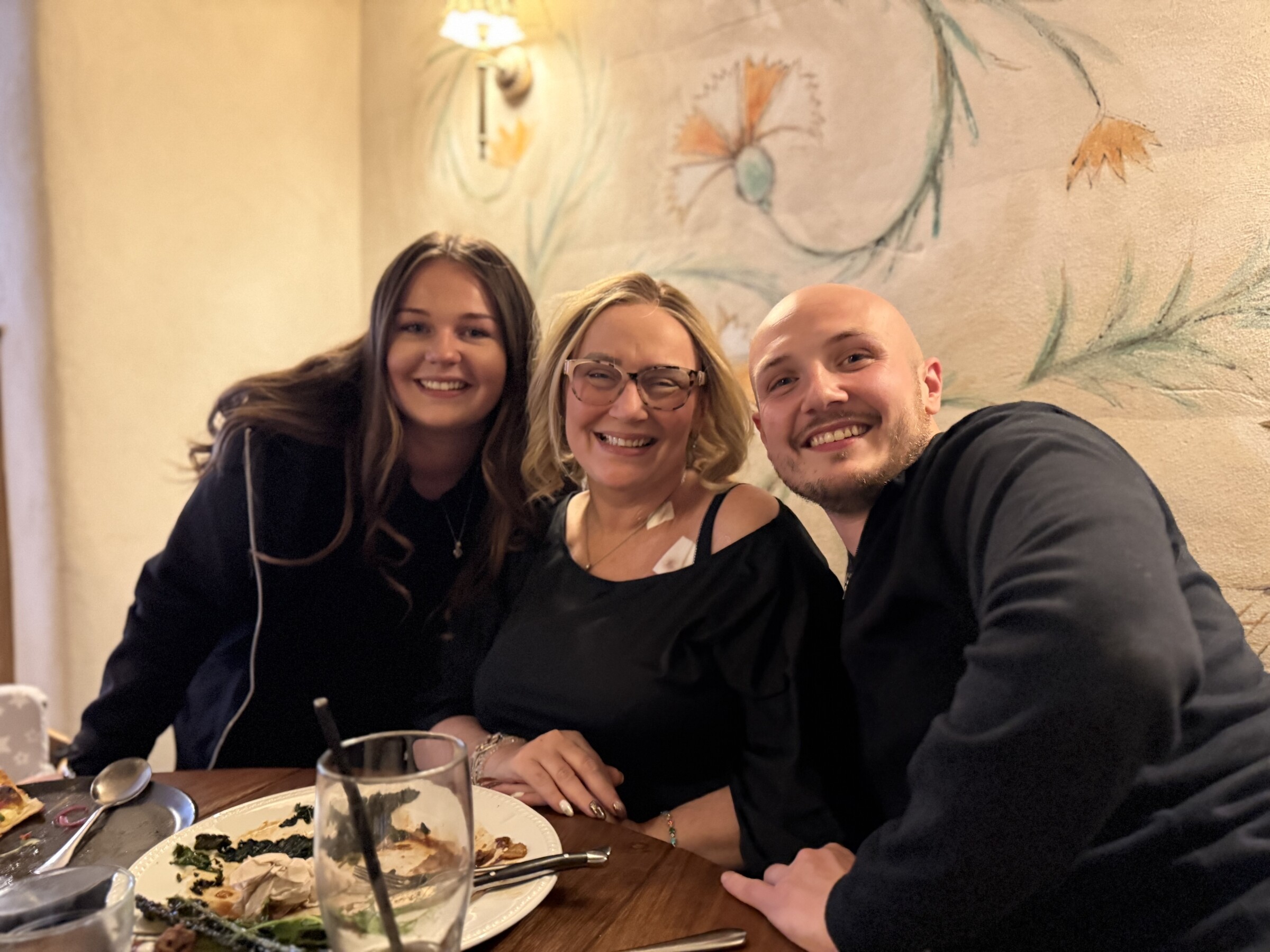
"Hi, I’m Laura. I'm 51 years old and live on the Isle of Sheppey in Kent. I’m married and a mum of five children. I live with my husband, four of my children, my daughter’s partner and my beautiful granddaughter. My eldest son has flown the nest and now lives with his girlfriend in East Sussex.
Before my cancer diagnosis, I ran my own online business making and selling home fragrance products, including wax melts, room sprays and reed diffusers. I loved running my own business, and having to give that up was a difficult decision.
Family is everything to me. Becoming a grandmother for the first time this year has made me even more determined to have as much time as possible with the people I love.
My cancer journey began in July 2022. I was having my usual morning bath, as I stood up to get out, I happened to catch sight of myself in the mirror opposite. I noticed a slight dimpling on my right breast that I hadn’t seen before. I thought it looked a bit strange, so I had a feel around and found a lump near my nipple. I remember feeling really worried and telling my husband about it later that day. I booked an appointment with my GP the following morning.
My GP referred me to the breast clinic under the two-week urgent referral pathway, and I was given an appointment for the following week.
When I arrived at the breast clinic, I was told I’d be having a mammogram followed by an ultrasound. They also explained that if anything suspicious showed up, they might need to take some biopsies.
I had my mammogram first and was then called in for my ultrasound. As I went into the room, the radiologist explained that my mammogram had shown three areas of concern in my right breast, which they wanted to investigate further.
She explained that they would need to take biopsies from the areas and insert small marker clips so they could identify exactly where the samples had been taken.
I remember asking her what the chances were of the biopsies coming back benign. She told me it was highly unlikely. Although I hadn’t officially been diagnosed at that point, I think deep down I already knew what the results were going to be.
My biopsy results subsequently confirmed that I had hormone receptor-positive, HER2-negative breast cancer.
In September 2022, I had a mastectomy to remove my right breast. I then started chemotherapy in November 2022, which continued until April 2023, followed by radiotherapy. After finishing treatment, I was put on exemestane, a hormone-blocking tablet that reduced the amount of oestrogen my body produced. I also had Zoladex injections every four weeks, which temporarily stopped my ovaries from producing oestrogen. As my cancer was hormone-positive, both treatments were given to keep my oestrogen levels low and reduce the risk of the cancer returning.
After everything I’d been through, I was just looking forward to getting back to normal life. I’d had the surgery, chemotherapy and radiotherapy, and I really hoped that the ongoing hormone treatment would help keep the cancer from coming back.
I started a new job at an estate agency, where I was responsible for managing their letting properties. I was enjoying my work, feeling positive about the future and finally beginning to feel like myself again.
At the beginning of 2025, I decided to go ahead with DIEP flap breast reconstruction. I’d been on the waiting list for over a year, and after everything I’d been through, I just wanted to feel like the old me again.
Sadly, things didn’t go to plan.
In March 2025, I had an echocardiogram to check my heart before surgery. Completely by chance, a small mass was discovered on my liver. Further scans and a liver biopsy confirmed the devastating news that my breast cancer had spread to my liver. The liver biopsy also showed that my cancer was now classified as HER2-low, rather than the HER2-negative result I’d originally been given.
I was diagnosed with secondary, or metastatic, breast cancer. This meant my cancer was now incurable.
After finally beginning to rebuild my life, everything had changed again and I was no longer able to have my reconstructive surgery.
At first, I was absolutely devastated. I cried a lot, and I just couldn’t get my head around what I was being told. Then I started to feel angry. Why me? Why had this happened again after everything I’d already been through? I’d done everything I was told to do. I’d had the surgery, chemotherapy, radiotherapy and hormone treatment, so why hadn’t it been enough? It just seemed so unfair.
My thoughts quickly turned to my husband and children. How was I supposed to tell them? How were they going to cope? I wasn’t just frightened about what was going to happen to me, I was frightened about what it would mean for them too.
The thought of leaving my family behind is something I still struggle with. I don’t want to miss my children growing up, their weddings, their achievements or even just the ordinary family moments that most people take for granted.
And now I have a beautiful granddaughter. I desperately want to be around to watch her grow up, to make memories with her and for her to know me as her granny, rather than just hearing stories about me. I’m simply not ready to say goodbye to my family. There is still so much I want to see and do, and so many moments I want to be here for.
I did know about secondary breast cancer before my diagnosis. I knew that breast cancer could come back and spread to other parts of the body, and that once it had spread, it was no longer considered curable.
But I think, like most people, I just never imagined it would happen to me.
Secondary breast cancer has affected every part of my family life. We try to carry on as normally as possible, but cancer is always there in the background. There are hospital appointments, chemotherapy sessions, scans, side effects and the constant anxiety of wondering whether the next treatment is going to work.
I’ve had to give up working, and there are days when fatigue, nausea and pain mean I simply can’t do the things I used to. My family have been incredible throughout everything, but I know this has been extremely difficult for them too.
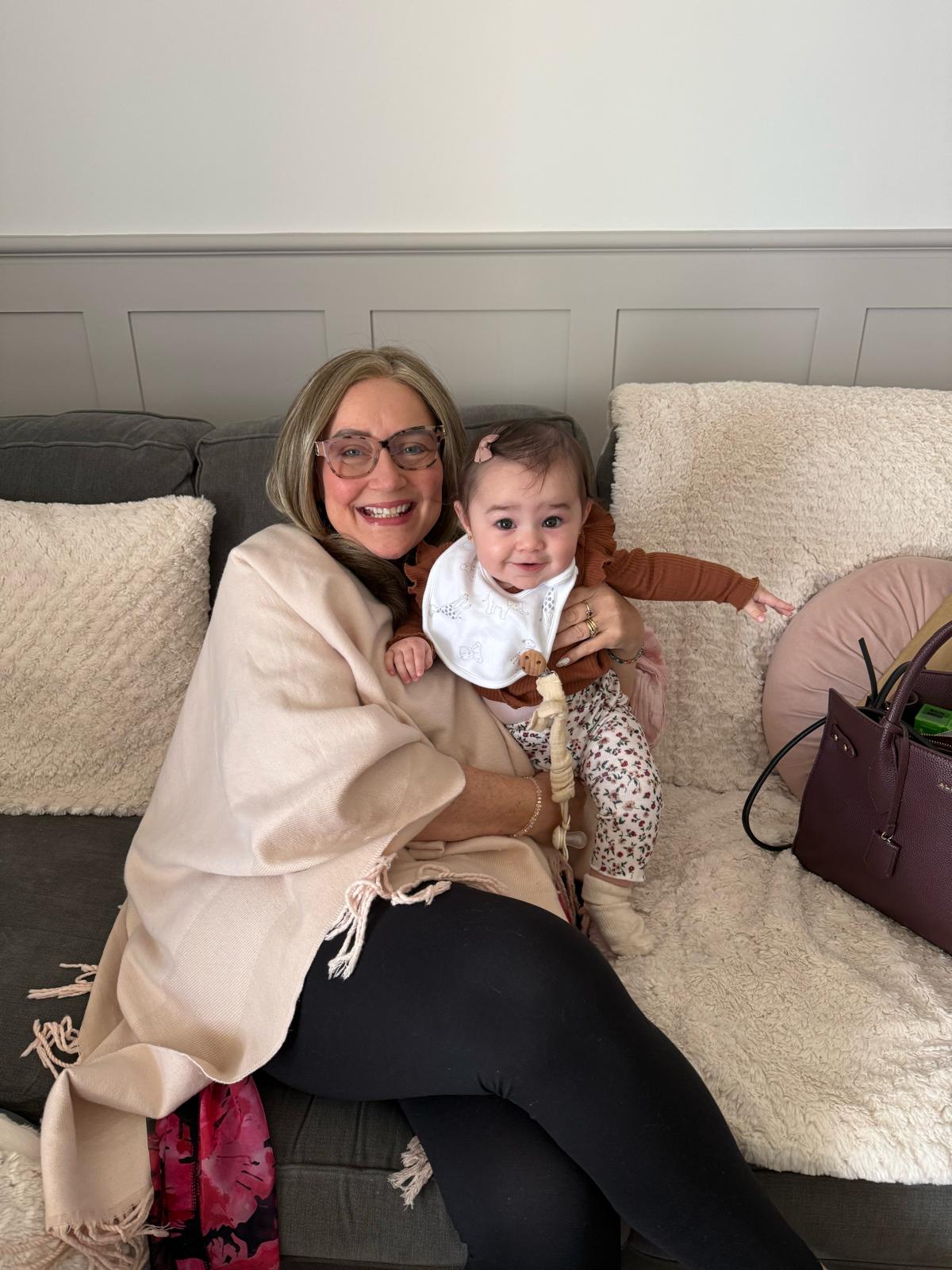
In March this year, I became a grandmother for the first time. My granddaughter has brought so much happiness into our lives. Every cuddle, every smile and every moment with her is precious.
But alongside that happiness is the heart-breaking thought that I might not be here to watch her grow up. I want to be there for her first steps, her first day at school, her birthdays and all the little milestones in between. I don’t want cancer to take away our future together.
I’m currently receiving EC chemotherapy (epirubicin and cyclophosphamide). This is my third line of chemotherapy for metastatic breast cancer, or my fourth line of systemic treatment if you include my initial targeted and hormone therapy.
However, this treatment comes with its own limitations. I can only receive a maximum of six sessions because of the risk of heart damage. There is a lifetime limit on the amount of this chemotherapy that can safely be given. My liver has been particularly difficult to get under control, with multiple tumours throughout.
I’ve been following developments surrounding Enhertu for approximately 18 months, hoping it would eventually become available on the NHS in England for patients with HER2-low metastatic breast cancer like me. With each treatment that stops working, my remaining options become more limited. Enhertu represents another possible treatment and, potentially, more precious time with my family.
When I heard that Enhertu was finally going to become available on the NHS in England, I was absolutely over the moon. For somebody living with incurable cancer, every additional treatment option represents hope. Hope for another Christmas, another birthday, another family holiday and more time with the people you love.
I knew Enhertu wasn’t a cure, and I knew there was no guarantee it would work for me. However, the clinical trial results were encouraging. After having several treatments fail, the thought of having another option available was an enormous relief.
Unfortunately, that excitement was very short-lived.
My clinical nurse specialist contacted me after speaking with my oncologist, and told me that I would not qualify for Enhertu on the NHS. I felt a mixture of devastation, anger and fear.
My initial reaction was that I just wanted to give up. For the first time, I genuinely felt as though I was nothing more than a number.
I remember thinking that because my cancer was terminal, perhaps I simply wasn’t worth spending the money on.
I know those weren’t the words anyone actually said to me, but that is genuinely how the decision made me feel.
After everything I’d been through, all the chemotherapy, the side effects, the scans and the constant uncertainty, I’d finally seen a treatment that offered another possibility.
And then, just as it became available, that hope was taken away.
The reason was that I’d already had three different chemotherapy treatments since my cancer had spread, but NHS funding for Enhertu was only available to patients who had received no more than two.
What makes this particularly difficult to accept is that I hadn’t chosen to have three lines of chemotherapy. I’d simply followed the treatment plans recommended by my oncologist, trying to keep my cancer under control and stay alive.
Had Enhertu become available earlier, I might have qualified. I struggle to accept that this should mean patients like me are automatically excluded from having the opportunity to try it, unless we can afford to fund the treatment privately.
As the initial shock began to wear off, my anger turned into determination. I decided I wasn’t going to sit back and accept the decision without a fight.
Since then, I’ve contacted NHS England, NICE, my MP, cancer charities, patient advocacy organisations and pharmaceutical companies. I’ve also shared my story with BBC South East, ITV Meridian and the local press to raise awareness of what’s happening.
I know Enhertu might not work for me. I’m realistic about that.
But what if it does?
What if it’s the treatment that finally manages to control my cancer and give me more time with my family?
I don’t expect a miracle, and I know Enhertu isn’t a cure. But I don’t believe that having already undergone three chemotherapy treatments should automatically mean I don’t deserve the opportunity to try another.
I want to watch my granddaughter grow up. I want to be there for my children’s weddings, birthdays and milestones.
I’m fighting this decision not just for myself, but for other women who are being placed in exactly the same position.
I hope that by sharing my story, we can raise awareness of the gap in access and encourage those responsible for these decisions to reconsider the eligibility restrictions.
Having terminal cancer doesn’t mean my life has stopped mattering.
I'm not asking for a cure. I'm simply asking for a chance at more time."
Have you experienced barriers to accessing Enhertu? We want to hear from you.
By sharing your story, you can help raise awareness of the inequalities people living with secondary breast cancer face and help us try to make change.
Please get in touch: hello@make2ndscount.co.ukt.co.uk

 Donate