15th June 2026 by David McCallion
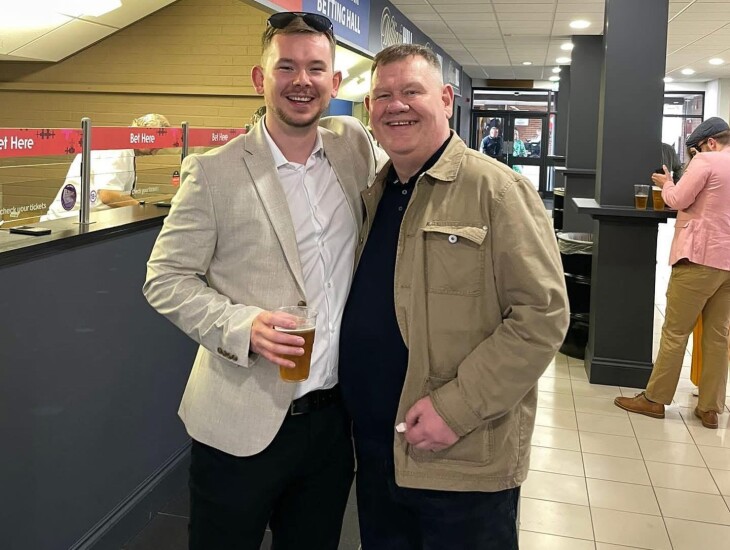
For this year’s Men’s Health Awareness Week, Make 2nds Count Ambassador David is sharing his experience of living with secondary breast cancer, highlighting the importance of awareness, support, and open conversations about a disease that many people still don't realise affects men.
In June 2023, I was told that my breast cancer had spread to my lungs. When I first heard the news, I felt overwhelming anger. Then came another challenge - couldn't immediately tell my family. My youngest son was away on his honeymoon, and I didn't want to take away from what should have been a happy and memorable time for him.
Waiting ten days before sharing such significant news was incredibly difficult.
A secondary breast cancer diagnosis brings more than physical challenges. It affects your relationships, your plans for the future, and your emotional wellbeing in ways that can be hard to explain.
Living With Treatment Every Day
Like many people living with secondary breast cancer, treatment is an ongoing part of daily life.
My treatment plan changed recently after I experienced toxicity from some of my medications. I now take Exemestane and continue with Zoladex treatment.
The side effects can be challenging. Fatigue is something I notice much more than I used to, and the bone and muscle pain can be draining. Some days require more patience and adjustment than others. Yet these realities are often invisible to the people around us.
Why Awareness Matters
One question I am often asked is why there is still stigma surrounding male breast cancer. For me, much of it comes down to a lack of awareness.
Many people simply don't know that men can develop breast cancer. Because breast cancer is often viewed as a disease that primarily affects women, some men find the diagnosis difficult to accept or discuss openly.
There can also be a sense that breast cancer somehow challenges traditional ideas of masculinity.
That is why awareness matters.
The more we talk about male breast cancer, the more we break down misconceptions and encourage men to seek help when they notice symptoms.
Finding Support as a Man
When I was first diagnosed, finding support wasn't easy. There are relatively few men diagnosed with breast cancer, and even fewer who openly share their experiences. When I later received a stage four diagnosis, it felt as though the available information became even more limited.
Then I found Make 2nds Count.
What made the difference was feeling welcomed and listened to from the start. I never felt judged or treated differently because I was a man living with breast cancer. At a time when cancer had left me feeling as though I had lost part of my identity, being heard and understood meant everything.
The Emotional Impact Men Don't Always Talk About
Men's Health Awareness Week is also an opportunity to talk about emotional wellbeing. One of the biggest lessons I have learned is understanding the psychological impact of living with secondary cancer.
At first, I thought I was experiencing depression. Over time, I realised it was grief. I was grieving the loss of my working life, the social connections that came with it, my financial independence, future plans, and some of the physical abilities I once took for granted.
Recognising these feelings as grief helped me make sense of them. It allowed me to become more accepting of the emotions I was experiencing rather than trying to push them away. It's an important reminder that cancer affects far more than the body.
The Importance of Family and Community
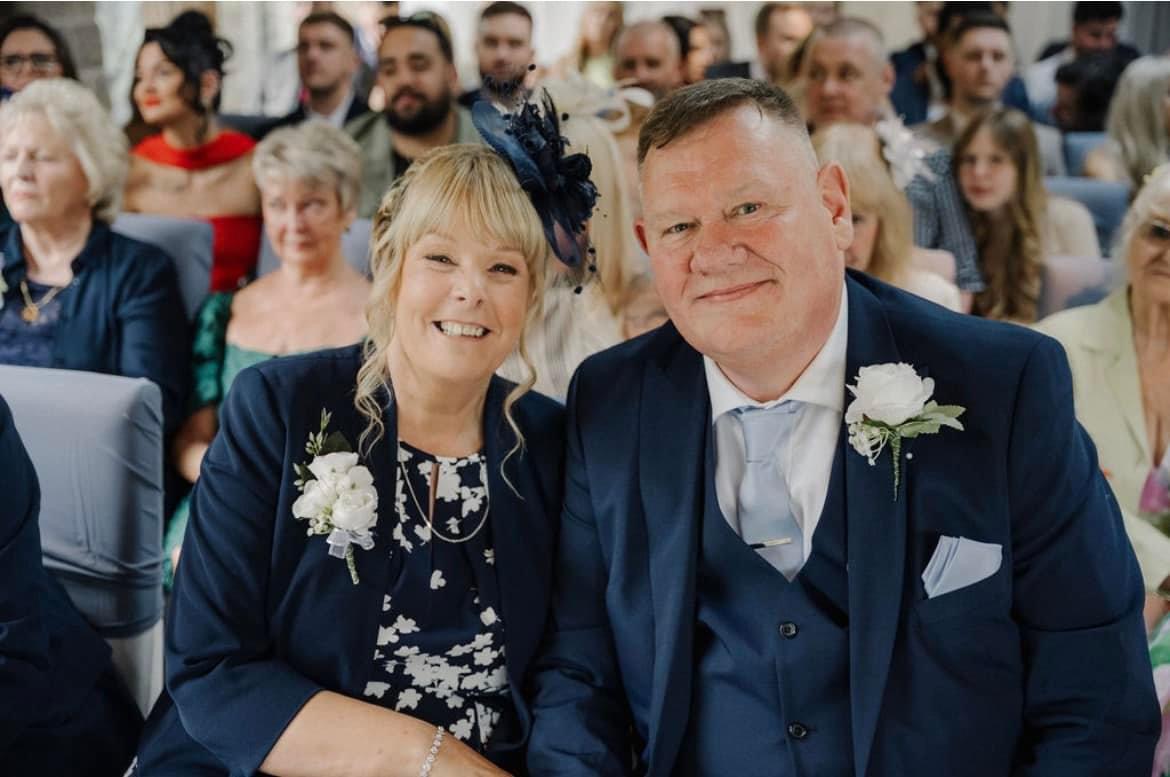
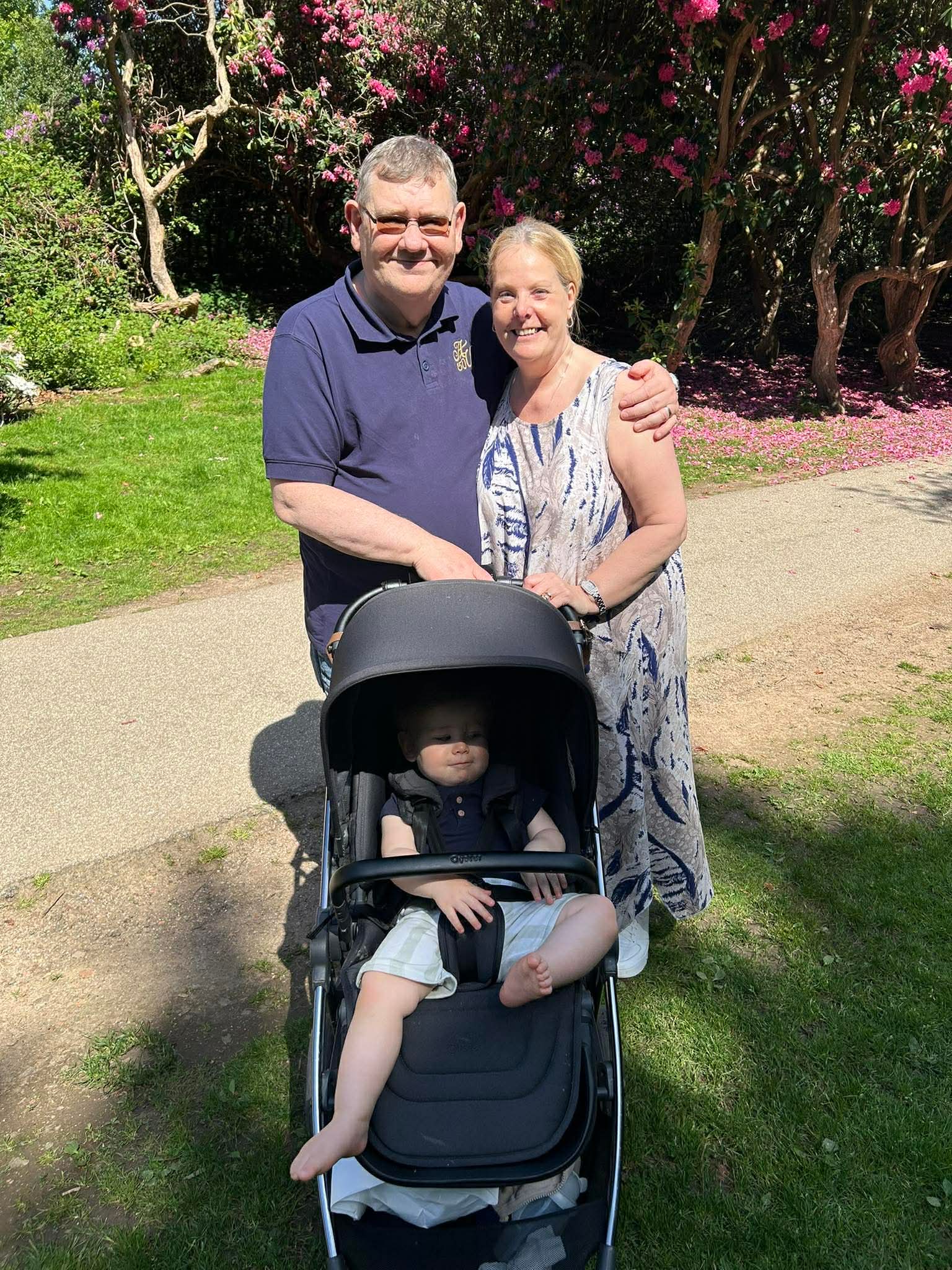
Throughout my journey, my wife Julie has been my biggest source of support. We've shared difficult conversations, emotional moments, and many tears. Living with secondary breast cancer affects the whole family, not just the person diagnosed.
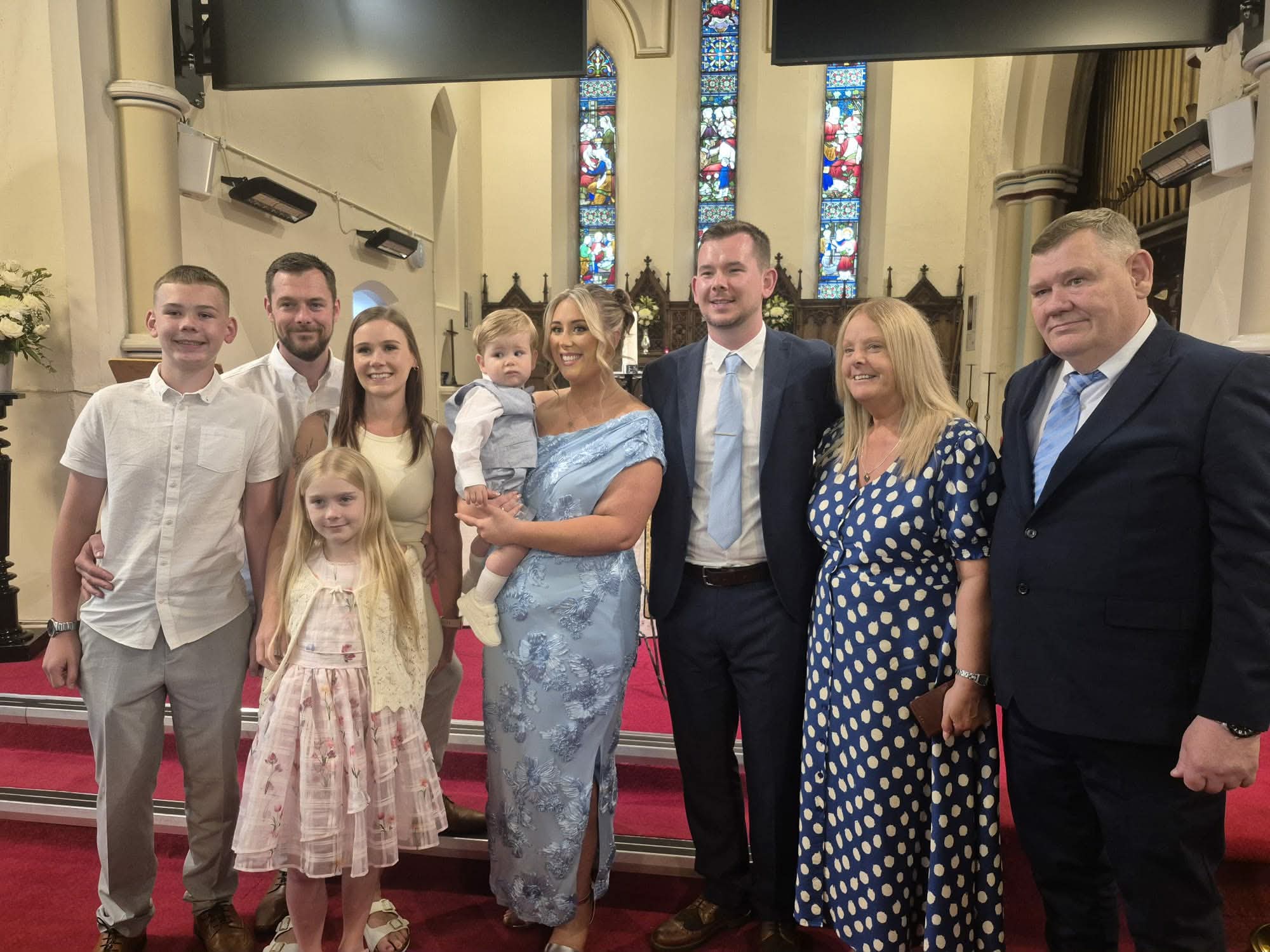
My sons have busy lives, and while I never want to worry them unnecessarily, there are times when I feel the impact of those changing family dynamics. Having a trusted support network makes a huge difference.
So does connecting with people who truly understand what you're going through.
Using My Voice to Help Others
Becoming a Make 2nds Count Ambassador has given me an opportunity to turn something incredibly difficult into something positive.
It has allowed me to speak up for men living with breast cancer, challenge misconceptions, and help others better understand the realities of secondary cancer.
If sharing my experiences helps even one person feel less alone, then it has been worthwhile.
What Needs to Change?
There is still much more work to do. One of the biggest gaps is the lack of data around men living with secondary breast cancer. Without accurate information and research, awareness and support can only go so far.
We also need to:
- Increase public awareness that men have breast tissue and can develop breast cancer.
- Challenge myths and misconceptions surrounding male breast cancer.
- Ensure men are included and represented in breast cancer campaigns and conversations.
- Signpost support services as early as possible following diagnosis.
- Encourage men to share their experiences and seek support when they need it.
Breaking the Silence Together
This Men’s Health Awareness Week, let's remember that breast cancer does not discriminate. By talking openly about male breast cancer, challenging stigma, and ensuring men feel included in support services, we can help create a future where nobody feels isolated because of their diagnosis.
Behind every diagnosis is a person, a family, and a story worth hearing.
Men can get breast cancer too. Knowing the signs, seeking support, and sharing experiences could make all the difference.

 Donate